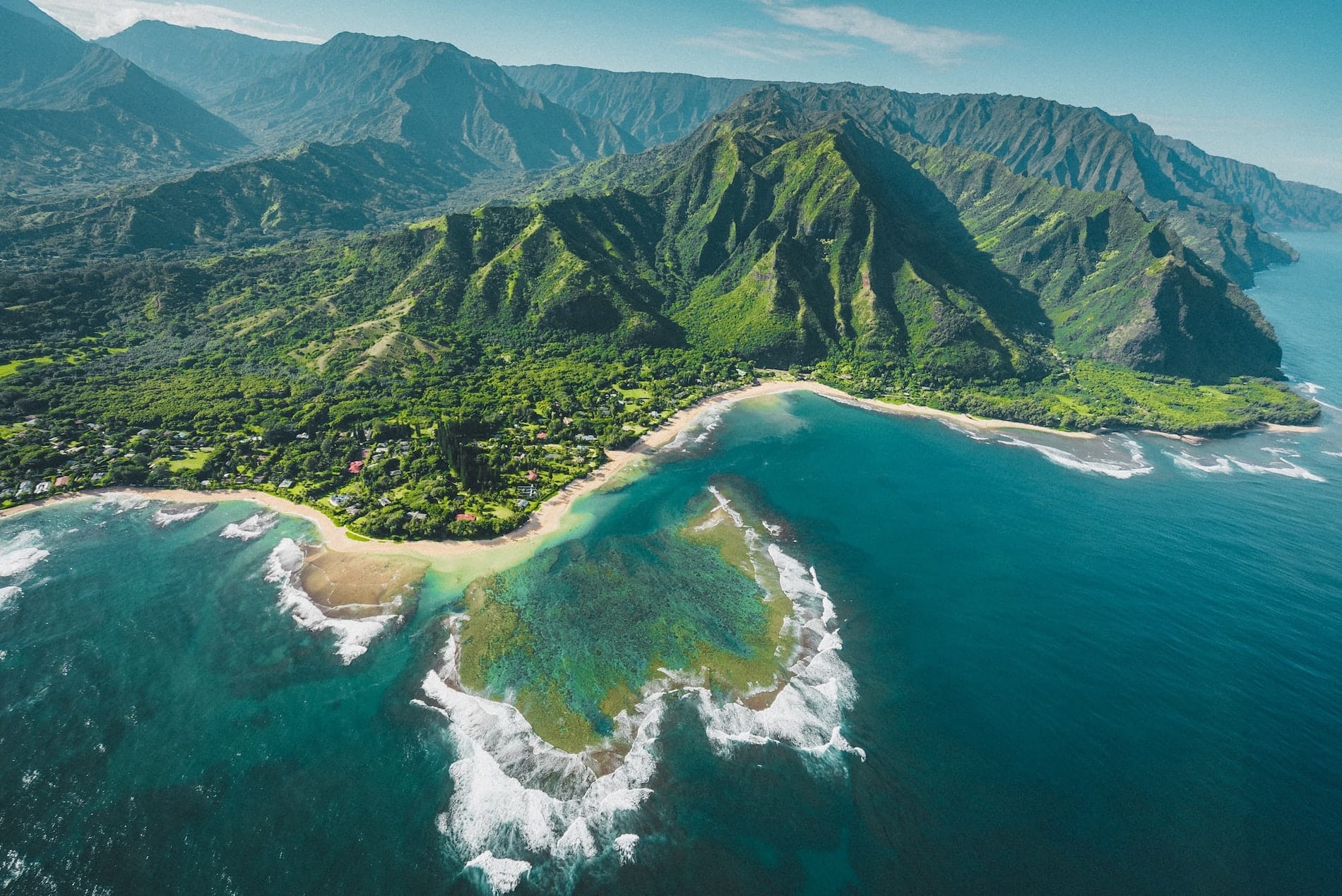
The Barah Broq Trek stands out as one of the most hidden, physically rewarding jewels of the Baltistan region, delivering a relatively short but steep mountain path that leads to arguably the greatest panoramic viewpoint in the entire Karakoram Range. Nestled along the north side of the thundering Shyok River, the trek begins in the ancient, fruit-rich farming village of Barah. From here, the route climbs abruptly out of the valley floor, escaping the modern world into a rugged, high-altitude sanctuary of emerald-green high pastures, cascading clear glacial meltwater streams, and hidden alpine lakes that sit quietly beneath the soaring, jagged mountain walls.
The defining climax of this expedition is the challenging, non-technical ascent of Moses Peak (approximately 5,300 meters). From this exceptional high-altitude vantage point, the Karakoram unlocks its most prized treasures in a single, jaw-dropping 360-degree theater. On a clear summer morning, trekkers can visually map the immense, icy forms of four of the world’s fourteen 8,000-meter peaks clustered tightly along the horizon: K2 (8,611m), Broad Peak (8,051m), Gasherbrum I (8,080m), and Gasherbrum II (8,035m). This unparalleled viewpoint makes Barah Broq a dream destination for professional mountain photographers and alpine purists looking to bypass weeks of grueling glacial transit to witness the crown jewels of Pakistan.
This custom, high-elevation wilderness challenge is managed and executed under the gold-standard frameworks of Family of Climbers, a premier adventure agency originating in the Hunza Valley. Given the rapid and steep nature of the elevation gain on this specific route, our experienced mountain leaders implement meticulous acclimatization paces, comprehensive health tracking, and top-tier mountain base setups. With the backing of our native high-altitude guides, specialized backcountry chefs, and dedicated support teams, we balance technical security with pristine wilderness comfort, allowing you to focus on capturing the most epic view on planet Earth.
Arrive at Islamabad International Airport. A premier representative from Family of Climbers will welcome you and arrange your private group transfer to your hotel. Spend the afternoon taking care of personal gear inspections and attending an in-depth pre-trek briefing.
Accommodation: Hotel | Meals: Dinner
Catch a beautiful morning flight to Skardu, soaring directly past Nanga Parbat (8,126m). Spend the afternoon resting, adjusting your body to the base elevation, and exploring the bustling local mountain bazaar.
Accommodation: Hotel | Meals: Breakfast, Lunch, Dinner
A dedicated day to safely build up your red blood cells. Hike up to the historic Kharpocho Fort for stunning views over the Indus River canyon, followed by an afternoon excursion to the cold sand dunes of Katpana Desert.
Accommodation: Hotel | Meals: Breakfast, Lunch, Dinner
Drive Duration: 3-4 hours
Board private 4×4 vehicles and track east along the roaring Indus and Shyok rivers. Arrive at the lush oasis of Barah Village, filled with terraced orchards. Spend your afternoon meeting local porters and preparing backpacks.
Accommodation: Guesthouse / Camping | Meals: Breakfast, Lunch, Dinner
Trek Duration: 5-6 hours | Distance: ~9 km
We step onto the trail, starting with a steep and steady climb out of the valley floor along a clear glacial stream. The trail winds upward through narrow gorges to open into the beautiful, green high pastures of Barah Broq.
Accommodation: Camping | Meals: Breakfast, Lunch, Dinner
Trek Duration: 4-5 hours | Distance: ~7 km
We continue our upward push, navigating loose scree paths and rock fields. The vegetation thins out as we reach our high camp, positioned strategically next to a stunning alpine lake, serving as our launchpad for the summit ridge.
Accommodation: Camping | Meals: Breakfast, Lunch, Dinner
Trek Duration: 6-7 hours | Distance: ~10 km
An alpine-start summit day. We climb steady, non-technical ridges under starlight to reach the top of Moses Peak by sunrise. Witness a mind-blowing 360-degree panorama of K2, Broad Peak, and the Gasherbrums. Descend carefully back to High Camp.
Accommodation: Camping | Meals: Breakfast, Lunch, Dinner
Trek Duration: 5-6 hours | Distance: ~16 km
We retrace our steps down the steep mountain trail, enjoying the easier gravity but taking care on the knees. Return to the welcoming green fields of Barah Village. Share an evening celebration feast with your local Balti porter crew.
Accommodation: Guesthouse / Camping | Meals: Breakfast, Lunch, Dinner
Drive Duration: 4 hours
We say goodbye to our village hosts and board our private 4×4 jeeps for the return drive along the Shyok and Indus rivers, arriving back in Skardu for a long-awaited hot shower and a relaxing hotel evening.
Accommodation: Hotel | Meals: Breakfast, Lunch, Dinner
Drive Duration: 7-8 hours
We board our comfortable private group coaster to begin our overland return journey south, tracing the spectacular carved mountain cliffs of the Indus River canyon along the Karakoram Highway to an intermediate hotel stop.
Accommodation: Hotel | Meals: Breakfast, Lunch, Dinner
Drive Duration: 5 hours
We complete the final mountain highway transit leg back to the capital city of Islamabad. Check into your hotel for rest, followed by a wonderful farewell dinner hosted by Family of Climbers.
Accommodation: Hotel | Meals: Breakfast, Lunch, Dinner
Private transfer to Islamabad International Airport for your international return flight home, concluding your spectacular Moses Peak panorama expedition.
Meals: Breakfast